

Choosing between marble and granite for Indian living rooms balances luxury with longevity. Marble offers unmatched grandeur, natural cooling, and Vastu benefits, and is ideal for high-end aesthetics. On the other hand, granite serves as a durable, low-maintenance option, resistant to stains and heavy foot traffic, making it perfect for active, modern households.
Key Takeaways
- Granite is harder and stain-resistant, while marble is softer and requires frequent sealing.
- Both offer natural cooling, but marble excels in dry heat while granite handles humidity better.
- Marble provides opulent veining and Vastu-friendly purity, compared to granite, offering consistent patterns.
- Granite is a lower-maintenance option, while marble needs professional re-polishing every few years.
Choosing between granite and marble for your living room flooring depends on your commitment to maintenance, design preferences, and lifestyle priorities. Both natural stones offer unique characteristics in terms of aesthetics, durability, and care, making them ideal for living room floors in Indian houses.
Here, we explore key characteristics of marble and granite, and how you can opt for the best option for your living room.
Understanding the Stones: What Makes Marble and Granite Different?

While marble is a metamorphic rock composed of recrystallized carbonate minerals, Granite is an igneous rock formed due to volcanic activities. Both are natural stones, but in the case of living room material flooring in India, their utility varies sharply.
Check the table below to know the fundamental differences between these two stones.
| Feature | Granite | Marble |
| Type | Igneous (formed from magma) | Metamorphic (transformed limestone) |
| Durability | Extremely hard; resists scratches/chips | Softer; prone to scratches/etching |
| Appearance | Speckled or granular | Sweeping veins and swirls |
| Porosity | Less porous; stains less easily | More porous; requires frequent sealing |
| Mohs Hardness | 6-8 | 3 |
| 2026 Price Range | ₹80 – ₹600 per sq. ft | ₹150 – ₹2,500 per sq. ft. |
Table 1: Fundamental Differences Between Granite and Marble
The Living Room Test: Why This Room Changes Everything
Well, the living rooms in India are not just sitting areas, but they host festivals and welcome guests. So, a living room is the first impression of a home to guests, and here, aesthetics matter more than in any other room. Here’s how living rooms shift the equation of living rooms in Indian houses.
- Living rooms often contain elements reflecting the owner’s personality, such as cultural interests or hobbies, shaping the home’s story and identity.
- In many houses, the orientation of living rooms impacts the prosperity and harmony of the entire home – a hub of vastu and energy, indeed!
- Indian living rooms are now an active space for living and social commerce, especially in smart homes.
Marble for Living Rooms: Where It Truly Shines
Marble flooring for living rooms in India creates a sense of grandeur and luxury, along with statement accent walls and bespoke furniture pieces. The polished surface of marble transforms living areas into welcoming, bright, and sophisticated environments.
Here’s how it shines and offers some major advantages.
Aesthetics and Natural Cooling
Marble options like Makrana marble for living rooms make them feel larger, since the luminous veining reflects light. It makes marble ideal for typically compact living spaces. On the other hand, the living rooms also stay cool with marble, especially advantageous across North, Central, and Peninsular India during summer.
Timeless Elegance
The timeless elegance of marble stems from the ageless aesthetic appeal, unique geological formation, and historical significance. Marble offers extensive choices for living room flooring, while the aesthetic impact transforms a space, adding grandeur and sophistication.
Vastu Advantages
Cream and white marble are often considered auspicious, symbolizing the presence of positive energy and purity in Indian tradition. Marble flooring for vastu is regarded as a key promoter of stability and harmony in Indian houses.
Resale Values
The aesthetics of marble enhances resale value of a house, with its commanding nature. It offers a measurable premium in Indian real estate, especially in Tier-1 (Kolkata, Mumbai) and Tier-2 (Kochi, Jaipur) cities.
So, which marble options can be the best for living rooms? Find the answer in the table below.
| Marble Options | Advantages |
| Makrana White | Gold standard, and suits traditional and transitional styles |
| Morwad White | Bright, consistent tone; ideal for modern minimalist living rooms |
| Indian Statuario | Bold grey veins on white, creating a premium look in living rooms. |
| Albeta | Warm beige-grey; elegant for larger rooms. |
| Kishangarh White | Locally sourced, cost-effective, wide availability. |
Table 2: Marble Options for Indian Houses
At Vardhman Sagar Marbles, get your preferred marble options with the best quality for the living room areas.
Granite for Living Rooms: The Practical Powerhouse
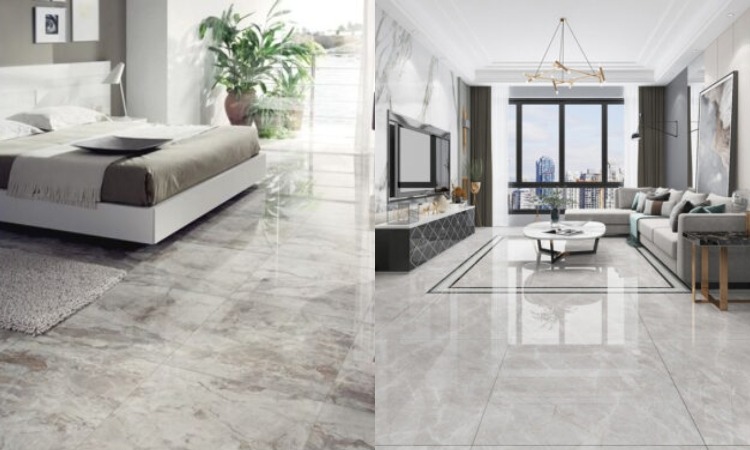
Granite is highly recognized as a practical powerhouse for living rooms, mostly due to the superior blend of extreme durability, low maintenance needs, and the industrial chic aesthetic. As a natural stone, it resists heat, scratches, and stains, making it unique for high-traffic living rooms areas.
Here’s how living rooms with granite flooring offer several practical values.
Extreme Durability
Granite is a dense and hard material, with 6-7 Mohs hardness, standing against heavy foot traffic better than marble. It often outlasts several other flooring types, and lasts for decades, while retaining the structural integrity.
Low Maintenance and Easy Cleaning
Compared to marble, granite floors are easier to maintain with occasional mopping and regular sweeping. It is highly resistant to grease, stains, reducing issues regarding daily spillage of tea or turmeric.
Weather and Heat Resistance
Since it is formed under extreme pressure, granite is ideal for the Indian tropical climate. The heat and weather resistance of granite make it ideal for areas near fireplaces. Its slip resistance also makes it useful and popular in Indian houses.
So, what can be the best options for granite flooring for living rooms? Check the table below.
| Granite Options | Advantages for Indian Living Room Flooring |
| Volga Black Granite | The deep color blends with modern, contemporary, or even high-contrast traditional interiors. |
| Adhunik Gray Granite | Light-to-medium grey tones blending with various decor styles, especially modern, minimalist, and industrial designs. |
| Baltic Brown Granite | Stays cool in the summer, helping to keep your living space comfortable. |
Table 3: Best Granite Options for Living Room Flooring
Climate Matters: Which Stone Suits Your City?
Granite and marble are popular choices for Indian living room flooring due to the aesthetic appeal, but they work differently under climatic conditions, ranging from hot and humid to hot and dry. Here’s how they behave differently, following their properties.
Granite in Indian Climate
Granite is a convenient, durable option for Indian conditions, which makes it ideal for Indian living room flooring. With extreme heat tolerance, granite keeps Indian living rooms cool, while the non-porous and scratch-resistance nature empowers its durability.
Marble in Indian Climate
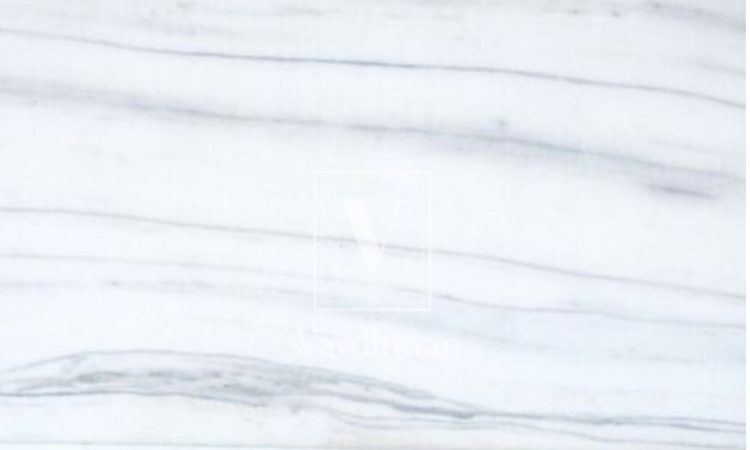
A popular living room flooring material in India, Marble like Makrana, is often chosen for its beauty and exceptional coolness. During harsh summers, white marble keeps living spaces cool. However, in humid coastal cities like Mumbai, marble demands regular sealing (every 6-12 months) to prevent mold and stains. Despite its heat resistance capability, constant exposure to harsh sunlight may cause dullness or fading, over the years, affecting the overall aesthetics of Indian living rooms.
| City/Region | Climate | Recommended Choice | Why |
| Delhi / NCR | Hot & dry summers | Marble | Stays cool, with lower stain risk |
| Mumbai / Pune | Humid, coastal | Polished granite or sealed marble | Humidity and monsoon moisture needs denser stone. |
| Rajasthan / Gujarat | Extreme dry heat | Marble | Maximum cooling benefits barefoot. |
| Chennai / Hyderabad | Hot & humid | Granite (or sealed marble) | Humidity accelerates marble porosity concerns |
Table 4: Granite and Marble for Indian Areas and Cities in Different Climate Conditions
A Word of Caution
Many of us in India live with elderly parents and grandparents. Highly polished natural stone can be a slipping hazard for the aged and/or infirm. Opt for matte finishes like Honed or Lappato.
How Can You Maintain the Longevity and Durability of Marble and Granite?
Here’s our maintenance guide for marble and granite floors in Indian living rooms.
Marble Flooring Maintenance in India
Mop marble floors with a soft and mild cleaner (mild dish soap or pH-neutral cleaner), and dry immediately with a soft cloth. Remember, if you use soap, rinse the marble carefully to prevent soap scum buildup.
Sealing is essential for marble floors to create a protective barrier against stains. So, seal the marble every 6-12 months to maintain the stone aesthetics. Conduct water test – sprinkle water on the surface, and if it absorbs quickly, it’s high time to reseal. However, in every 3-5 years, professional grinding and re-polishing is required to restore the surface to the early condition.
Check the table below to know the dos and don’ts for marble flooring maintenance in Indian living rooms.
| DOs | DON’Ts |
| Use mats at entryways. | Don’t use vinegar, bleach, or lemon juice. |
| Wipe spills immediately. | Don’t use upright vacuums with hard wheels. |
| Use felt pads under furniture legs. | Don’t drag furniture across the floor. |
| Use non-abrasive soft cloths. | Don’t use abrasive scrubbers or steel wool. |
Table 5: Marble Maintenance: Dos and Dont’s
Granite Flooring Maintenance in India
Use a clean vacuum or broom to get rid of dust and grit that often scratch the surface. Apart from this, use a soft mop with pH-balanced, detergent free cleaner to keep the floors clean. Do not use bleach, lemon juice, or ammonia, since these damage or dull the stone aesthetics.
Wipe the spills immediately to prevent deep stains and at entry points, place mats to minimize the debris and dirt. However, reseal granite every 2-3 years to maintain the resistance to stains and water.
| DO | DON’T |
| Sweep or dust mop daily. | Never use harsh or abrasive mops that can damage the polish. |
| Blot spills immediately with a clean cloth, especially liquids like wine, oil, or coffee. | Never rub a spill, as it spreads the liquid and penetrates the pores. |
| Use pH-neutral stone cleaner, mild soap, or warm water only. | Avoid acidic cleaners like vinegar, lemon, or bleach. |
| Use a soft microfiber mop or soft cloth for cleaning. | Never use steel wool, rough scouring pads, or hard brushes. |
Table 6: Granite Maintenance: Dos and Dont’s
Granite vs. Marble for Living Room Flooring in India: Which One Should You Choose?
Here’s our guidance on when to choose marble and granite for Indian living rooms, following different requirements.
When to Choose Marble
If you’re looking for creating a premium, opulent living room, marble is the superior option. Marble offers a sophisticated design with distinct veining, and is an ideal option for dramatic design statements. It comes with a luxurious, “posh” appearance that can change the overall outlook of living rooms.
When to Choose Granite
If you have a busy household with children or pets, granite is a more convenient option than marble. It is a non-porous, dense stone that resists stains, scratches, and heat, and does not need frequent polishing. So, if you’re looking for a low-maintenance, long-lasting, durable floor that can support heavy foot traffic, opt for granite.
Contact Vardhman Sagar Marbles for the Best-Quality Marble and Granite for Your Living Room Flooring.
Looking for the best-quality marble or granite for your living room? Contact us to find top-quality marble and granite to redesign your living rooms.
Frequently Asked Questions
Q1: Does Veining” in Marble Make It Harder to Achieve a Seamless Look Than Granite?
Yes. Marble often requires bookmatching (lining up the veins of adjacent slabs) to look intentional. Since granite usually has a speckled or consistent salt-and-pepper pattern, it is much easier to hide transitions in large living room layouts without shaping, resizing, or pattern.
Q2: Is Granite Flooring Too Dark for a Small Living Room?
Not necessarily. While Black Galaxy Granite is popular, there are many light-colored Granites like Alaska White or Imperial White that can make a small living room feel spacious while providing Granite’s signature durability.
Q3: Why Do Common Acidic Spills Damage Marble Even if It is Sealed?
Sealers protect against staining (liquid soaking in), but they do not protect against etching. Etching is a chemical reaction where acid eats away at the calcium carbonate in marble, leaving a dull water mark. Granite is primarily composed of silica and feldspar, which are chemically resistant to most household acids.
Q4: Can I Use Marble if I Have Floor Heating?
Yes. Marble is an excellent conductor of heat. In colder regions of North India, Marble works perfectly with under-floor heating systems, distributing warmth evenly across the living room surface.
Q5: Does Granite Require Sealing Like Marble?
Most high-quality Granites supplied by Vardhman Sagar Marbles are pre-sealed. However, lighter granites are slightly more porous than dark ones and may benefit from a sealant application every 5 years to ensure absolute stain protection.