
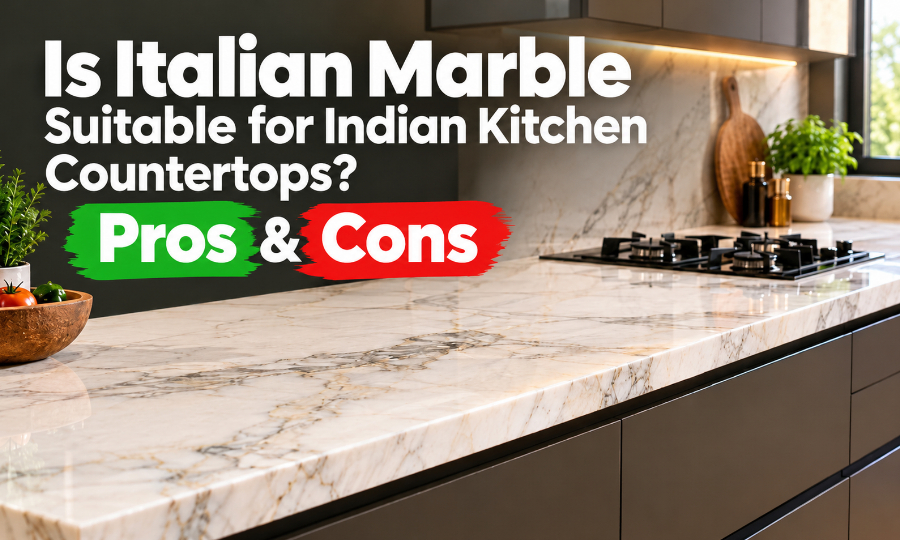
Italian marble, used in Indian kitchen countertops, offers versatile finishes, elegant patterns, and custom edge profiles for a premium look. However, it may require regular maintenance, proper sealing, prompt spill cleanup, and protection from scratches, acidic ingredients, and fluctuating temperatures.
Key Takeaways
- Venatio White, Carrara, Brescia Aurora, and Dyna offer distinct vein patterns and colors for different kitchen styles.
- Acid etching, turmeric, and oil stains can damage the surface.
- Use an impregnating sealer and clean the surface regularly with pH-neutral stone cleaners.
- Use heat-resistant trivets and cutting boards, and select suitable edge profiles carefully.
Before we delve into a detailed discussion on where Italian marble is ideal for kitchen countertops, let’s check two statistics.
A report by the Observatory of Economic Complexity highlights that India emerged as the second-largest importer of Travertine, Marble, and Alabaster.
A Deloitte report shows that by 2030, urbanization in India will reach 40%, and the residential construction industry is expected to be valued at $350 million.
Following the current trends and expected market demands, the popularity of marble in Indian residential areas is undeniable. But can it be valuable and suitable for Indian kitchen countertops? Is it safe for homeowners to opt for Italian marble? If so, which marble options are the best options for them? Let’s find answers here.
The Pros of Italian Marble Kitchen Countertops
Since contemporary Indian kitchens focus on functionality and visual appeal, kitchen islands can be designed with focal points without compromising functionality. With remarkable patterns and distinctive veining, premium natural stones create timeless luxury through the marble surface in Indian kitchens.
Here are some of the advantages of Italian marble kitchen countertops.
Unmatched Visual Appeal
Italian marble for kitchens is widely preferred for its aesthetic depth. Each slab comes with cloud-like, organic veining and crystal structures. It catches ambient light and improves the culinary experience through stunning illumination.
Cooler Working Surface
A report by the World Meteorological Organization recorded the annual mean land surface temperature as 0.28 degrees Celsius higher than in 1991-2020.
Given the tropical climate of India, cooler surfaces are highly appreciated throughout Indian living areas. The cooler surface ensures a pleasant cooking environment. Apart from this, it is ideal for rolling flatbreads like parathas or rotis.
Seamless Waterfall Islands
Modern contemporary layouts now often opt for continuous slab installations. In this regard, Italian marble can be the best choice, as it allows for precision-mitered edge joints that create dramatic waterfall islands. It seamlessly cascades down to the floor without any disruption (such as grout lines), which makes the kitchen look clean and minimalist.
Stain-Resistant Finish with Proper Sealing
Italian marble kitchen countertops can resist issues like common spills, including oils and water, when properly sealed. However, since the marble is calcium-carbonate-based and vulnerable to acidic ingredients (e.g., vinegar, lemon juice, and tomato), prompt cleaning with pH-neutral solutions is essential to preserve the finish.
Customized Edge Profiles and Finishes
Italian marble in kitchens can be fabricated with various edge profiles, including bullnose, bevelled, and eased edges. It complements contemporary or traditional kitchen designs. While polished finishes empower the natural veining, honed finishes offer a soft and matte appearance. Your choice of edge profile and finish can coordinate countertops with kitchen islands, cabinetry, and backsplashes.
The Cons & Challenges
Despite its aesthetics and opulence, there are some challenges like high porosity, susceptibility to scratches, and heat sensitivity when using Italian marble for Indian kitchen countertops. Here we talk about some of the key challenges of using marble for kitchen countertops, and how you can tackle the challenges.
Porosity to Oils & Turmeric
Ghee, turmeric, and mustard oil are some of the regular cooking essentials in Indian houses. However, these products can easily penetrate unsealed stone pores and develop dark or yellow stains. So, use a suitable, food-contact-safe impregnating sealer, since it can reduce the absorption rate. Remember, it does not make the marble completely stain-proof. Wipe off any spill immediately to ensure longevity of surface aesthetics and durability.
Scratch Susceptibility
Compared to granite (6-7) or quartz (7), marble rates low (3-4) on the Mohs hardness scale. This makes marble vulnerable to abrasion from scouring pads or heavy cast-iron utensils. So, use soft microfiber cleaning cloths and wooden chopping boards to reduce abrasion and surface scratching.
Heat Sensitivity and Thermal Shock
Since rapid cooling or heating can cause thermal stresses, it can affect Italian marble kitchen countertops, as it creates internal stresses. Differences in thermal expansion among mineral grains lead to microcracking, especially when temperature fluctuates repeatedly or severely.
However, the damage highly depends on the mineral composition, porosity, and grain structure. So, avoid direct contact with hot cookware and use heat-resistant trivets to reduce risks of thermal damage.
Curated Variety Breakdown: Kitchen-Ready Marble at Vardhman Sagar Marbles
Here are some of the Italian marble varieties available at Vardhman Sagar Marbles that can enhance your kitchen aesthetics and design
A. Carrara & Venatio White Italian Marble
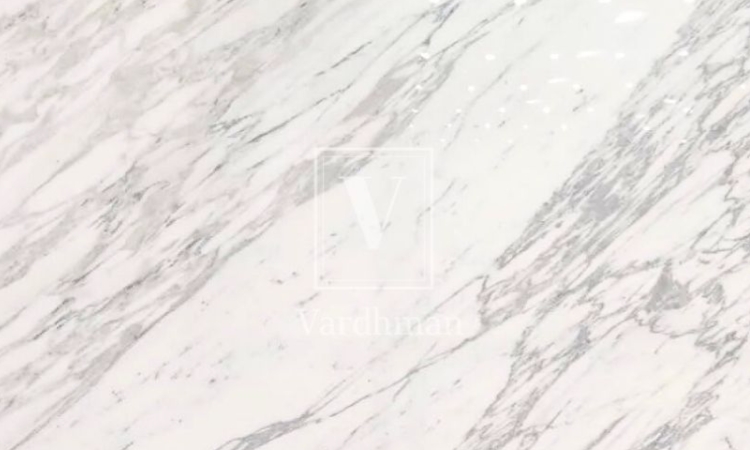
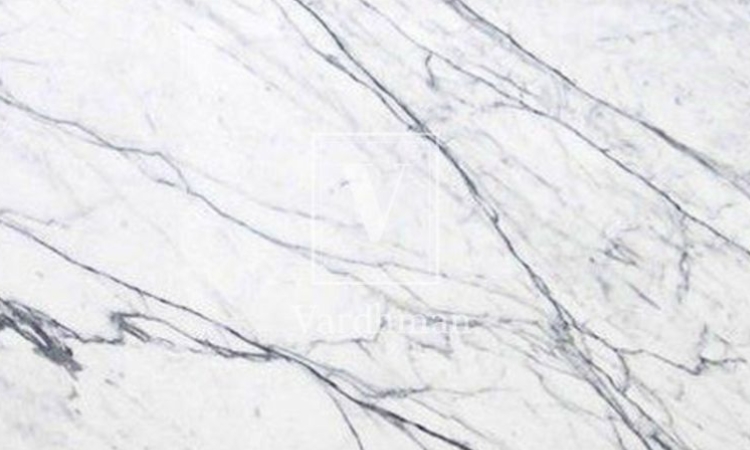
Venatino and Carrara marble are two of the most popular varieties of Italian marble for kitchens due to their elegant and timeless appearance.
Characteristics
Known for their timeless appearance, Carrara and Venatino marble are characterized by a white-to-grey background, overlaid with feathery and delicate grey linear veining. These Italian marble varieties are ideal options for contemporary kitchens, traditional interior designs, and minimalist cabinetry.
Suitability
The classic color palette helps brighten compact urban apartments and creates a versatile backdrop for various kitchen styles. However, since these varieties are susceptible to scratching, acid etching, and staining, ensure regular maintenance and a compatible sealer to protect Italian marble kitchen countertops.
B. Lilac White Italian Marble
A popular choice available at the yard of Vardhman Sagar Marbles, a top-rated Italian marble dealer in Kishangarh, Lilac White is not only acknowledged by homeowners and architects, but also by sculptors and art enthusiasts. It stands for elegance, refinement, and artistic excellence.
Characteristics
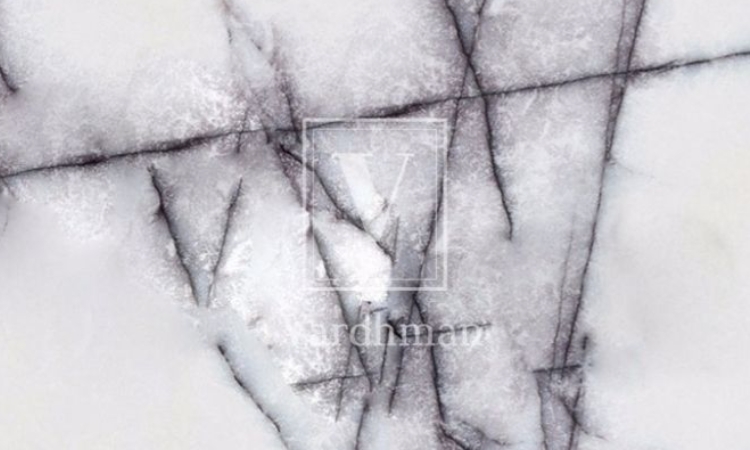
Lilac White is known for adding visual interest and movement to kitchen interiors, and is often distinguished by dramatic and bold linear veins (grey and purple), flowing across a luminous white background. The expressive veining complements contemporary spaces, especially if used for splashbacks, islands, or countertop sections.
Suitability
The striking contrast between darker vein patterns and the white background keeps the surface clean, as visual imperfections or dust are less noticeable due to the uniform, colored surfaces. Moreover, the distinctive patterns establish a stunning design, without decorative accessories or cabinetry.
However, prominent and continuous veining does not ensure stain resistance. Use pH-neutral cleaning products and remove spills immediately to preserve its natural appearance and aesthetics.
Note: Each Lilac White slab is available with a mirror-like polish that empowers the natural design and offers an additional radiant glow.
C. Dyna Italian Marble
Highly admired for its neutral color palette and sophisticated veining, this Italian marble in Kishangarh has emerged as a premium choice for homeowners.
Characteristics
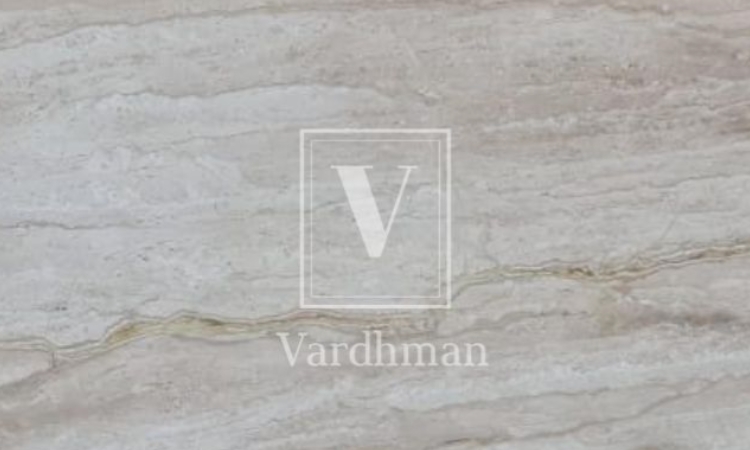
Featuring a cream or light beige background, this Italian marble for kitchens is known for its golden, brown, or light grey tones. The natural and warm palettes develop a sophisticated look, empowering the environment and aesthetic of both traditional and modern kitchen areas.
Suitability
Planning for metallic fixtures or wooden cabinetry for your kitchen space? Well, this marble can be a versatile choice for backsplashes and countertops. The flowing veins also add visual interest without affecting the overall aesthetic, if treated with proper sealing and care.
D. Brescia Aurora Italian Marble
Quarried in Italy, Brescia Aurora can change the overall aesthetics of your kitchen with its striking, yet subtle appearance.
Characteristics
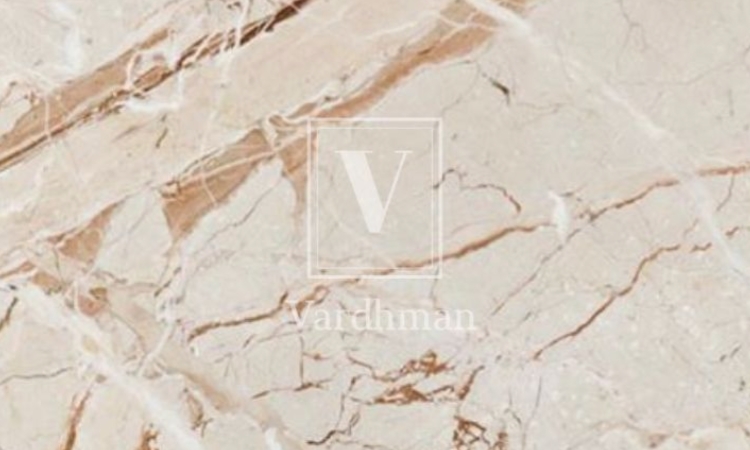
With golden and light brown veins on a creamy, warm beige background, Brescia Aurora offers a sophisticated kitchen aesthetic that complements both traditional and contemporary interiors. The distinctive natural patterns and color palette make it a popular choice for Indian kitchens.
Suitability
This Italian marble pairs well with cream-colored modular units, wooden cabinetry, and gold- or brass-finished fixtures. Instead of overpowering the overall design, the natural veining of Brescia Aurora adds visual interest to kitchen countertops. However, like other Italian marble varieties, this is also susceptible to staining and etching. So, don’t forget to wipe spills properly and use an impregnating sealer.
Maintenance Guidance for Indian Kitchens
So, how can you protect the natural appearance and durability of natural stones in Indian kitchens? Here’s our guidance.
Periodic Sealing
Resealing every 12-18 months is highly recommended, but it depends on the usage and porosity. Check kitchen countertops periodically and use safe sealers if required.
Routine Inspection
Check for loose joints, cracks, chips, and worn sealant around countertop edges and sinks. Don’t ignore any minor issues, since they may require expensive support if not addressed early.
Immediate Spill Cleanup
Don’t let any spills like vinegar, citrus juice, or sauce affect Italian marble kitchen countertops. Use a soft, damp cloth immediately to wipe and protect the finish from damage.
Scratch and Heat Protection
Don’t put hot cookware directly on the kitchen counter. Use heat-resistant cookware and cutting boards to keep the surface safe. Also, do not drag heavy utensils across the surface, since it often causes chipping or scratching.
Edge Selection
You must ensure suitable countertop edges, such as professionally fabricated mitered aprons or eased straight edges. Remember, the edge selection should follow kitchen design and functionality. Eased or rounded edges are often less prone to visible chipping, compared to sharp corners. Get expert support from Vardhman Sagar Marbles, one of the top Italian marble companies in Kishangarh.
pH-neutral Cleaning
Clean natural stone surfaces with pH-neutral cleaners to preserve the authenticity and appearance of Italian marble kitchen countertops. Do not use floor or harsh toilet cleaners, acidic solutions, or abrasive powders, since they damage the finish and make the surface dull.
Conclusion
Choosing high-quality Italian marble for your culinary space blends high functionality and timeless luxury. However, ensure proper sealing and regular maintenance to preserve the natural surface texture and aesthetics. Pick the correct marble according to your cooking habits and interior, and don’t forget periodic sealing to enhance longevity. Also, do not use acidic solutions or toilet cleaners, since they can easily damage the surface.
Planning to Improve Your Kitchen Interior? Vardhman Sagar’s Yard is Waiting for You!
Find top-tier Italian marble to improve your kitchen’s aesthetics. Contact us for the best guidance and visit our stockyard to pick authentic marble varieties and transform your kitchen’s interior. Explore our Italian marble stock online NOW!
Frequently Asked Questions
Q1: Can Turmeric Yellow the Kitchen Countertop Permanently?
Well, turmeric can stain unsealed natural stone surfaces due to the oily residue and natural pigments. You can wipe spills immediately and apply a professional penetrating sealer to prevent permanent staining.
Q2: Is Quartz or Granite Better Than Italian Marble for an Indian Kitchen?
Engineered quartz and granite are highly resistant to acidic spills and scratching due to the quartz-rich mineral composition. On the other hand, with proper sealing, Italian marble offers premium aesthetics and a cool surface, along with timeless luxury, which cannot be replaced by artificially manufactured stones.
Q3: Can I Put Hot Cooking Pans Directly on Italian Marble?
Avoid direct contact between kitchen counters and hot cookware, since it often creates thermal stress or cracking. Use trivets and avoid rapid temperature fluctuations to protect the countertop.
Q4: Should I Choose a Honed or Polished Finish for My Kitchen Island?
A matte or honed finish offers a velvety texture, which can mask minor etching and daily wear in busy cooking environments. On the other hand, you can use a polished finish for your kitchen island if you are more interested in the aesthetics of intricate veining and light reflections. However, it may show minor scratches more easily.
Q5: How Does Vardhman Sagar Ensure Slab Quality for Kitchen Use?
At Vardhman Sagar Marbles, you can hand-pick your preferred marble slabs from premier quarries. You can also test for structural density and authenticity of marble. Moreover, we offer processed slabs (advanced machinery) to ensure flawless calibration and uniform thickness. Our experts can guide you in finding low-porosity variants, ideal for intensive cooking environments.